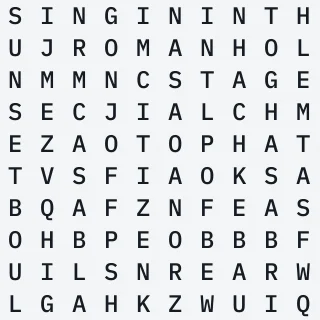
01 / Large Print
Classic Cinema
15 × 15·14 words
Play online
02 / The clear-view collection
Large-print puzzles for seniors and anyone who prefers clear letters. 14 words and a visible list. Play online or print Letter and A4 PDFs with separate answers.
38 puzzles · Free
Hard puzzlesTry a harder challenge01 / Large Print
15 × 15·14 words
Play online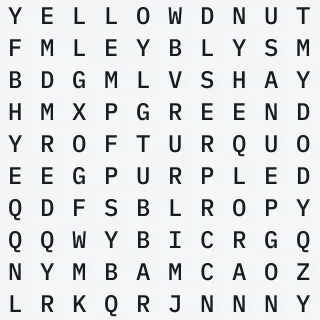
02 / Large Print
15 × 15·14 words
Play online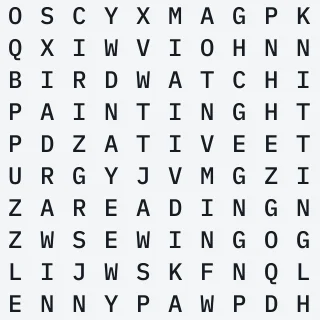
03 / Large Print
15 × 15·14 words
Play online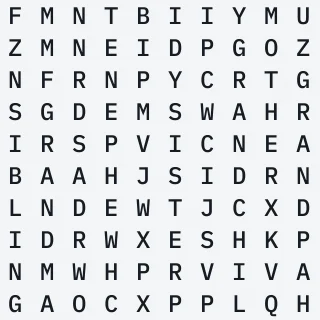
04 / Large Print
14 × 14·14 words
Play online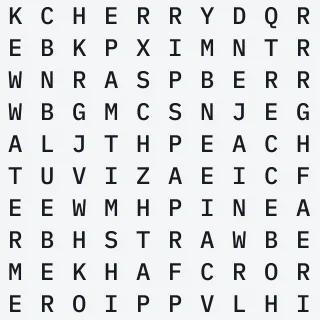
05 / Large Print
15 × 15·14 words
Play online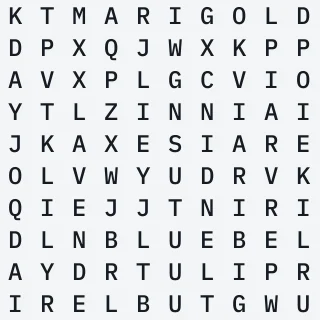
06 / Large Print
14 × 14·14 words
Play online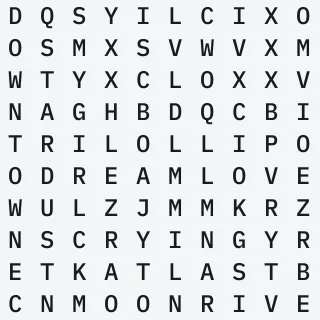
07 / Large Print
14 × 14·14 words
Play online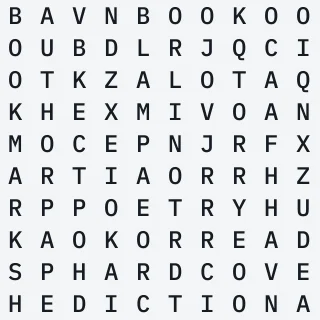
08 / Large Print
15 × 15·14 words
Play online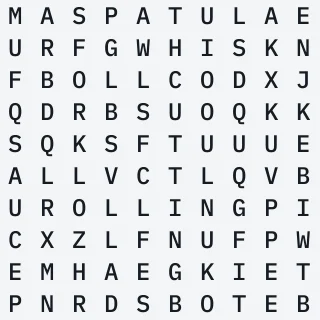
09 / Large Print
14 × 14·14 words
Play online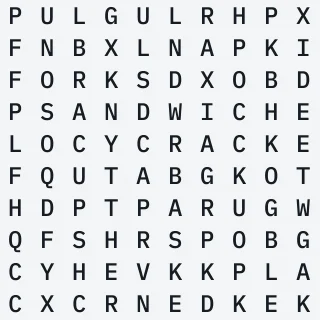
10 / Large Print
15 × 15·14 words
Play online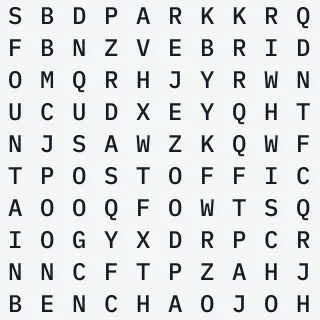
11 / Large Print
15 × 15·14 words
Play online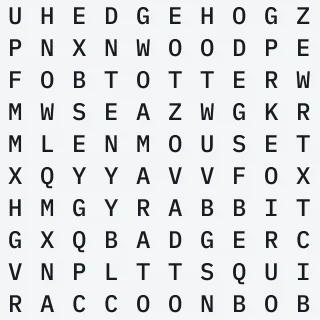
12 / Large Print
14 × 14·14 words
Play online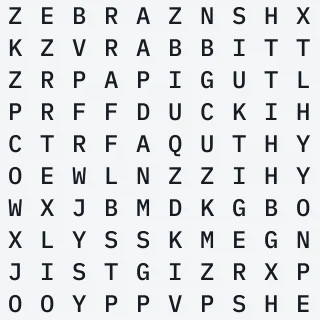
13 / Large Print
14 × 14·14 words
Play online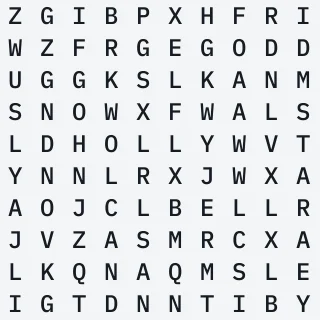
14 / Large Print
14 × 14·14 words
Play online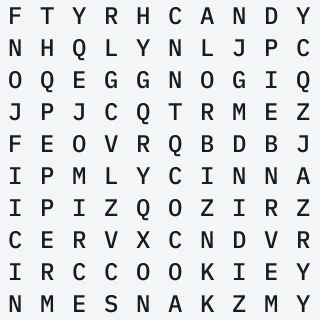
15 / Large Print
14 × 14·14 words
Play online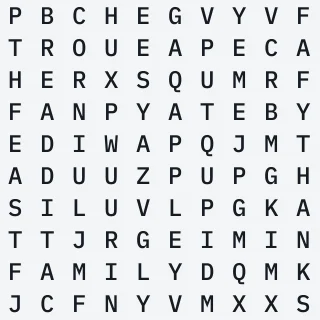
16 / Large Print
14 × 14·14 words
Play online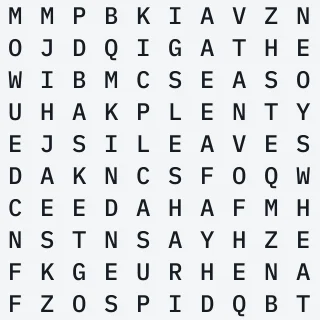
17 / Large Print
14 × 14·14 words
Play online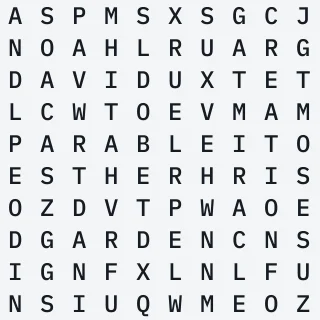
18 / Large Print
14 × 14·14 words
Play online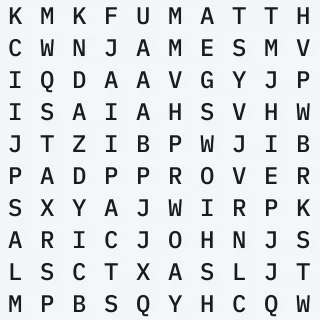
19 / Large Print
15 × 15·14 words
Play online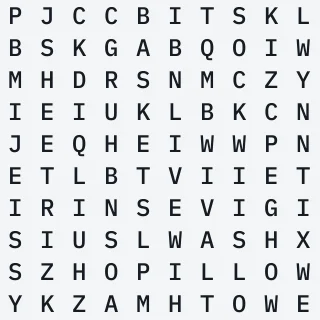
20 / Large Print
14 × 14·14 words
Play online
21 / Large Print
14 × 14·14 words
Play online
22 / Large Print
14 × 14·14 words
Play online
23 / Large Print
14 × 14·14 words
Play online
24 / Large Print
14 × 14·14 words
Play online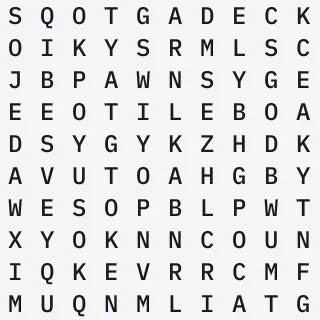
25 / Large Print
14 × 14·14 words
Play online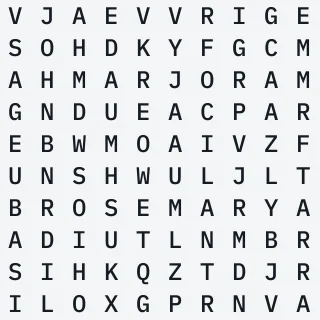
26 / Large Print
14 × 14·14 words
Play online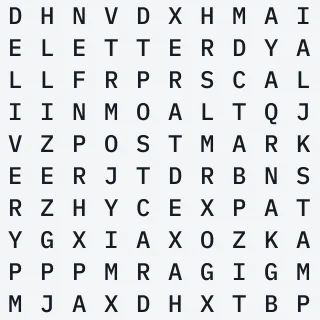
27 / Large Print
14 × 14·14 words
Play online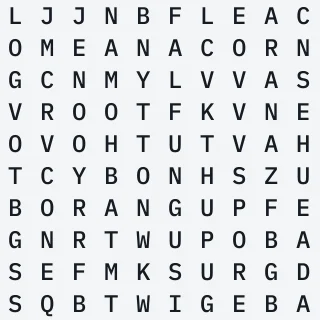
28 / Large Print
14 × 14·14 words
Play online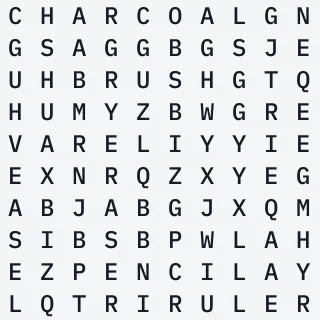
29 / Large Print
14 × 14·14 words
Play online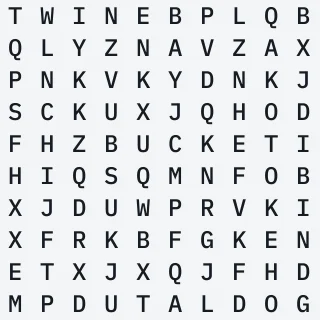
30 / Large Print
14 × 14·14 words
Play online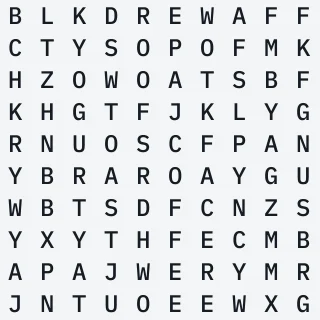
31 / Large Print
14 × 14·14 words
Play online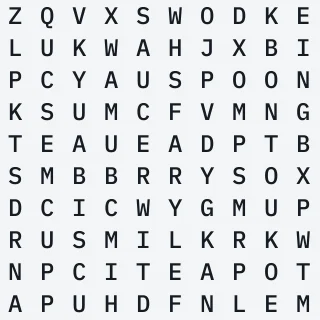
32 / Large Print
14 × 14·14 words
Play online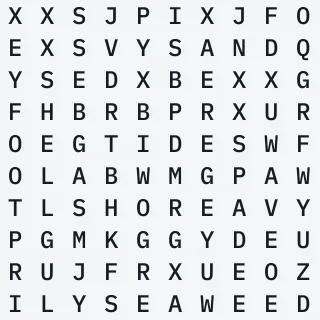
33 / Large Print
14 × 14·14 words
Play online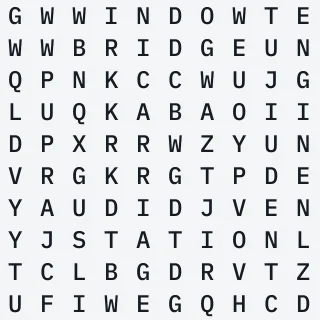
34 / Large Print
14 × 14·14 words
Play online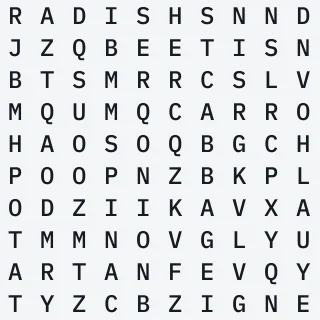
35 / Large Print
14 × 14·14 words
Play online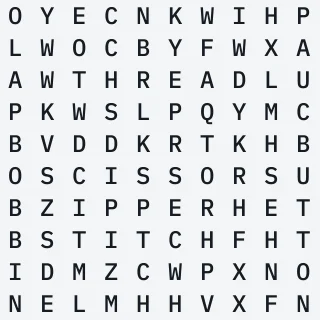
36 / Large Print
14 × 14·14 words
Play online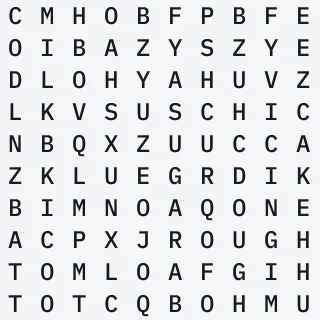
37 / Large Print
14 × 14·14 words
Play online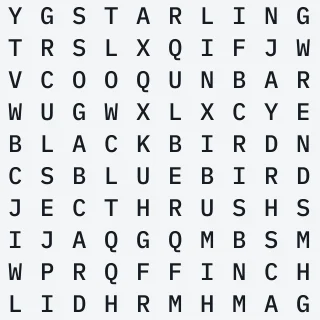
38 / Large Print
14 × 14·14 words
Play onlineNeed help making text larger on your device? W3C explains how to change browser text size and colors.
Personal and classroom printing is free, including copies for a whole class. Need an entire bundle at once? Download a 10-puzzle PDF booklet, build your own list with our Word Search Maker, or read the puzzle terms of use.
Looking for big print or a large font? These word searches put legibility first. The collection uses compact grids no larger than fifteen by fifteen, with twelve to sixteen target words and clearly separated letters. Online grid letters are at least eighteen pixels, while PDF grid letters are at least 18 points. Pixels on a screen and points on paper are different units. A visible word list stays close to the board, so you do not need to memorize every target before starting. These presentation choices are useful for seniors, people who prefer easy-to-read pages, and anyone who enjoys a calmer visual field. You can choose large print simply because it feels more comfortable.
Each puzzle centers on one everyday subject. Woodland animals and garden flowers, for example, invite recognition of familiar words without requiring specialist knowledge. The current large-print puzzles place answers horizontally from left to right or vertically from top to bottom. Their individual instructions state the direction rules, so you do not have to guess whether a word might be backwards. A target can share letters with another answer, and every correct selection is reflected in both the board and the list. This keeps the activity easy to follow while leaving the actual searching to you.
Drag along a word with your finger or mouse, or tap its two endpoints to make a selection. Keyboard users can move around the grid with arrow keys and select with Enter or Space. The complete board fits the screen, and focus mode keeps it beside your progress and play controls. The surrounding page remains within the screen width. The timer is optional information rather than a deadline; progress stays visible, and a repeated selection does not add a second point for the same word.
The PDF contains the puzzle title, unchanged grid, complete target list, and source address, arranged for one page on either A4 or US Letter. Print opens the same file as Download for your selected paper size and edition. Use your PDF viewer to print at actual size (100%) and check the preview, especially if your printer imposes unusually large margins. The answer sheet is a separate choice, leaving the ordinary puzzle free of solution markings. Paper can make it easier to bring the activity to a shared table or continue without keeping a device open beside you.
Low vision and dementia are broad descriptions, and people with those experiences do not all need the same activity or presentation. Large letters alone do not guarantee accessibility, suitability, or a therapeutic benefit. If you are choosing a puzzle for someone else, ask about preferred subjects, offer help with instructions when wanted, and allow the activity to stop without pressure. These are recreational puzzles, not medical assessments or treatment. You can look at the actual preview before choosing, print a copy to check its readability, and switch topics or difficulty whenever that makes the experience more pleasant.